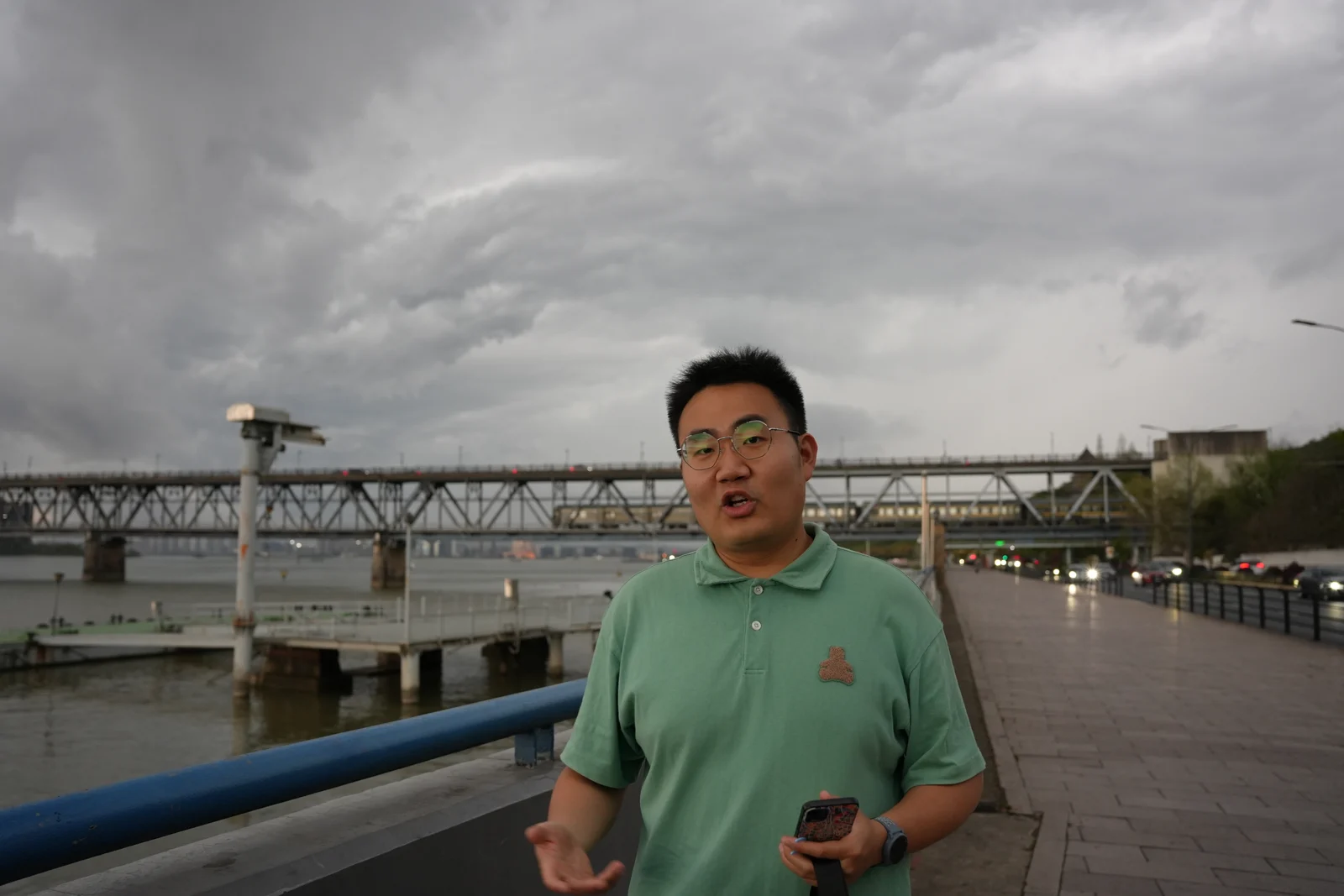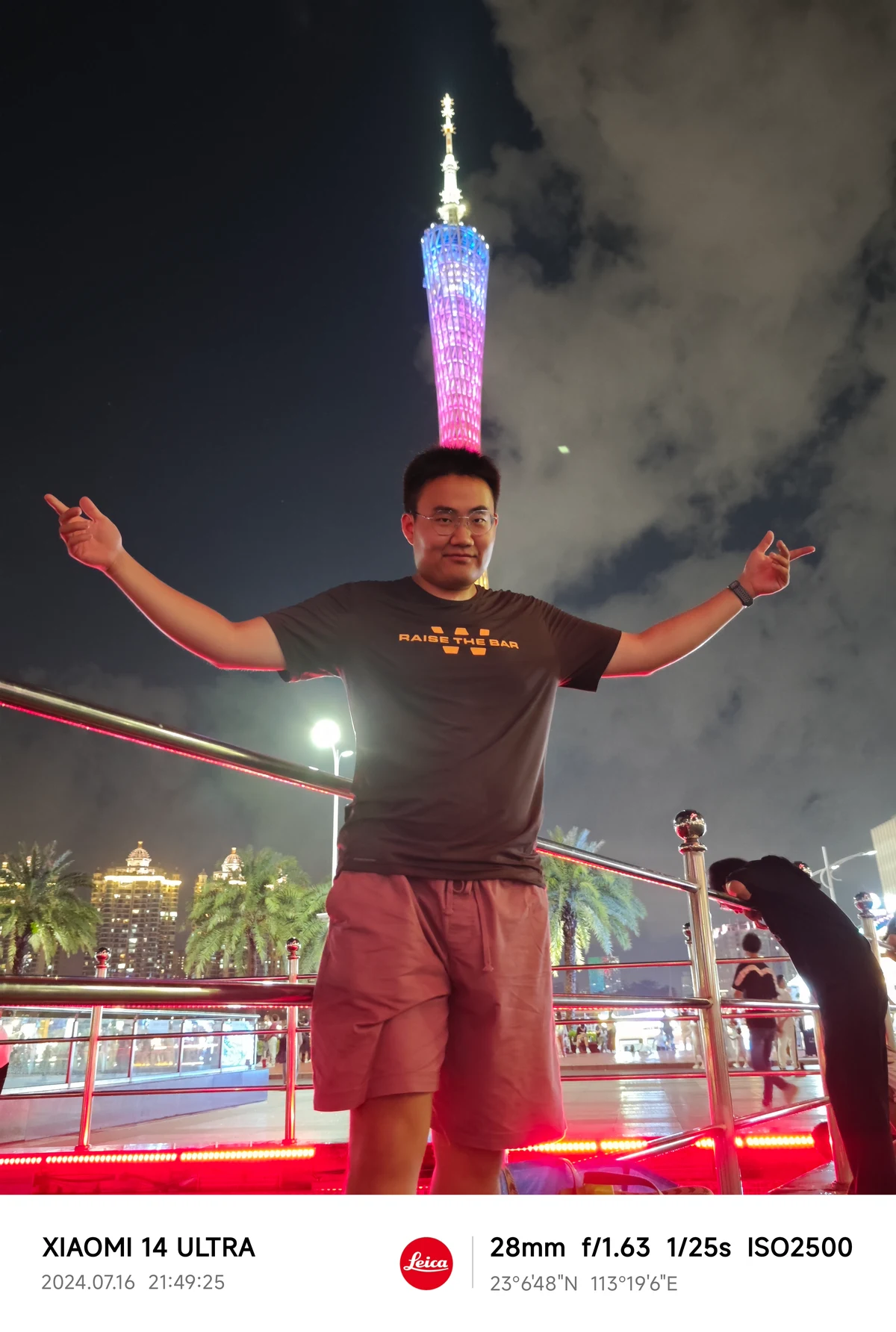

Shuyu Lu by a river

Shuyu Lu(Frank)

Ph.D. Student
Biomedical Informatics

McWilliams School of Biomedical Informatics
UTHealth Houston

Anticipated graduation Fall 2028.

Houston, Texas

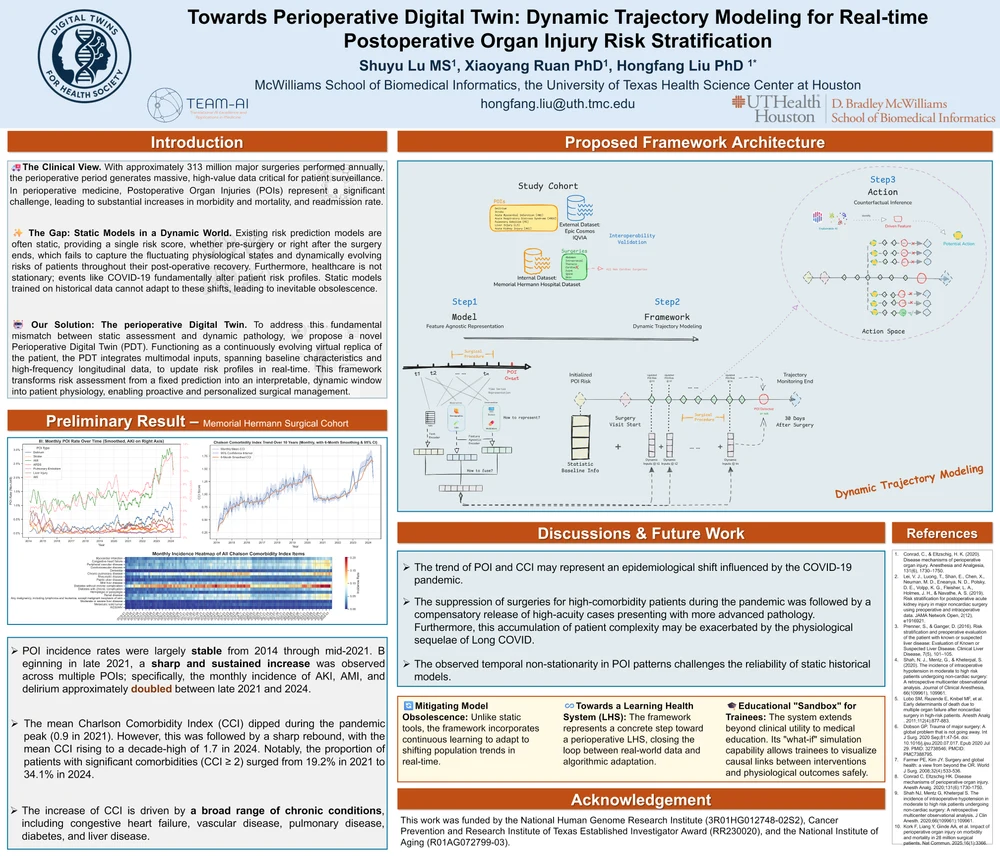
Clinical AI · Longitudinal EHR · Healthcare Data Science

I am a Ph.D. student in Biomedical Informatics at UTHealth Houston and a member of the TEAM-AI group, advised by Hongfang Liu. My research focuses on developing intelligent and reliable AI systems for biomedical and clinical applications, spanning large language model reasoning, multimodal learning, longitudinal representation learning, and clinical decision support.

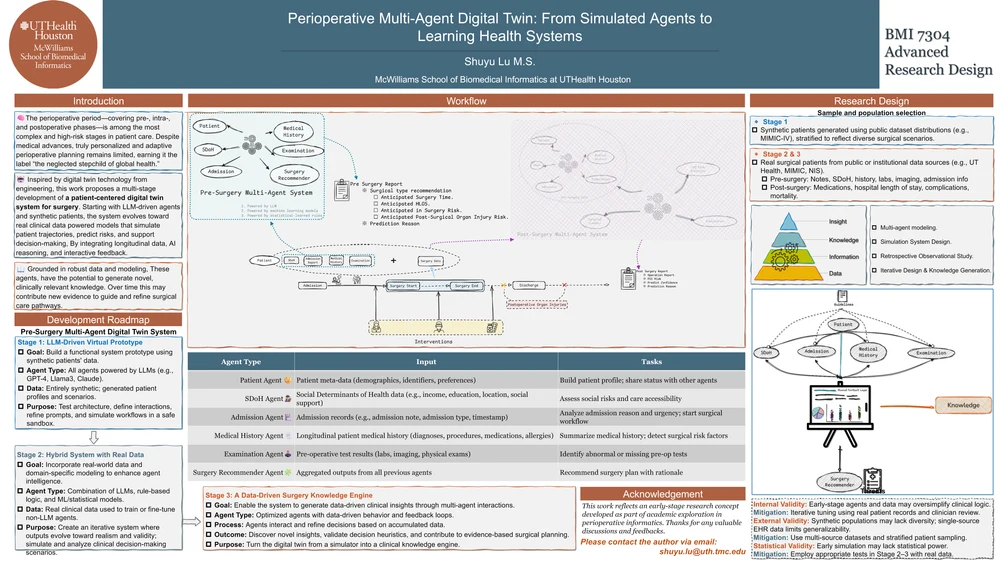
I am particularly interested in how AI can acquire, integrate, and reason over heterogeneous biomedical evidence to understand patient trajectories, improve medication safety, and support personalized healthcare. My current work includes dynamic postoperative risk prediction and longitudinal analyses of treatment and adverse-event trajectories. Alongside this work, I explore how interpretable models and multi-agent systems could support patient-specific clinical reasoning.

Background & research philosophy

Growing up in a family of physicians, I often heard my parents discuss clinical practice and medical decision-making. Those conversations made me curious about the gap between the wealth of available clinical data and the knowledge clinicians can use in an individual patient's care. That question led me from computer science to biomedical informatics.

After earning my bachelor's degree in computer science, I completed an M.S. in Biomedical Informatics at the University of Pittsburgh, where I began studying predictive models for heart failure. I then returned to China to work on data-driven chronic disease management and software development. These experiences taught me to value systems that combine methodological rigor with a clear clinical purpose.

At UTHealth Houston, discussions with Dr. Liu, Xiaoyang Ruan, Liwei Wang, and colleagues at McGovern Medical School helped sharpen my interest in perioperative care. Dr. Liu's advice to start with the clinical problem and design the right tool has become central to my research: the question should guide the method, and the method should fit the clinical workflow.

Looking ahead, I aim to develop explainable, patient-specific decision support for perioperative risk management, including orthopedic care. One direction is a multi-agent framework that integrates heterogeneous clinical data and the perspectives of different clinical roles. This remains a research goal, with clinical validation and workflow integration essential to its development. Ultimately, I want my work to help clinicians turn complex evidence into informed, individualized care.

Research showcase

Selected work

Obesity phenotyping & medication trajectories

GRU-D representation learning and clustering for longitudinal EHR phenotyping; real-world analyses of GLP-1/GIP treatment effectiveness, discontinuation, and adverse events.

JMIR paper ↗

Multimodal cognitive risk modeling

At iFLYTEK Health, integrated speech, language, memory, and handwriting signals from 1,166 participants, achieving 89.3% test accuracy and 77.5% F1, with SHAP-based interpretation.

Industry research · May–August 2025

Interpretable heart-failure prediction

Combined structured EHR and clinical narratives using NLP, tree-based models, and SHAP to study readmission risk and clinically relevant predictors.

First-author AMIA paper ↗

Selected posters

Research in progress

Frameworks and research directions that complement my work on dynamic clinical prediction.

Selected publications

Google Scholar ↗
  1. 2026

    Tracking the Dynamic Trajectories: A Global-to-Local Pharmacovigilance Analysis of GLP-1 Receptor Agonists

    S. Lu, X. Ruan, L. Wang, X. Wang, M. Sameer, H. Liu

    AMIA Annual Symposium 2026 · Accepted First author · Project website ↗

  2. 2026
  3. 2025

    Deep Phenotyping of Obesity: Electronic Health Record-Based Temporal Modeling Study

    X. Ruan, S. Lu, L. Wang, A. Wen, S. Murali, H. Liu

    Journal of Medical Internet Research 27, e70140 · Paper ↗

  4. 2022
  5. 2021

    Evaluating FFT-Based Algorithms for Strided Convolutions on ARMv8 Architectures

    X. Huang, Q. Wang, S. Lu, R. Hao, S. Mei, J. Liu

    Performance Evaluation 152, 102248

Experience

iFLYTEK Health

Algorithm Research Scientist

Multimodal learning and interpretable cognitive risk modeling.

Zhejiang University

Research Assistant · School of Public Health

Built a full-stack lung-cancer risk assessment application; supported data workflows for the Healthy Zhejiang One Million People Cohort.

CETC 38th Research Institute

Software Development Engineer

Enterprise web applications, operational analytics, and standardized data pipelines.

Education

UTHealth Houston

Ph.D., Biomedical Informatics

Advisor: Hongfang Liu · Anticipated graduation Fall 2028.

University of Pittsburgh

M.S., Biomedical Informatics

Advisor: Xinghua Lu

Central China Normal University

B.E., Computer Science

French minor, Wuhan University

Methods & tools

Machine learning
PyTorch, scikit-learn, Transformers, GRU-D, multimodal learning, NLP, SHAP
Clinical data
Longitudinal EHR, OMOP CDM, SQL, Python, R, real-world evidence
Engineering
Django, Vue, JavaScript / TypeScript, PostgreSQL

Beyond research

Shuyu holding a camera in the mountains
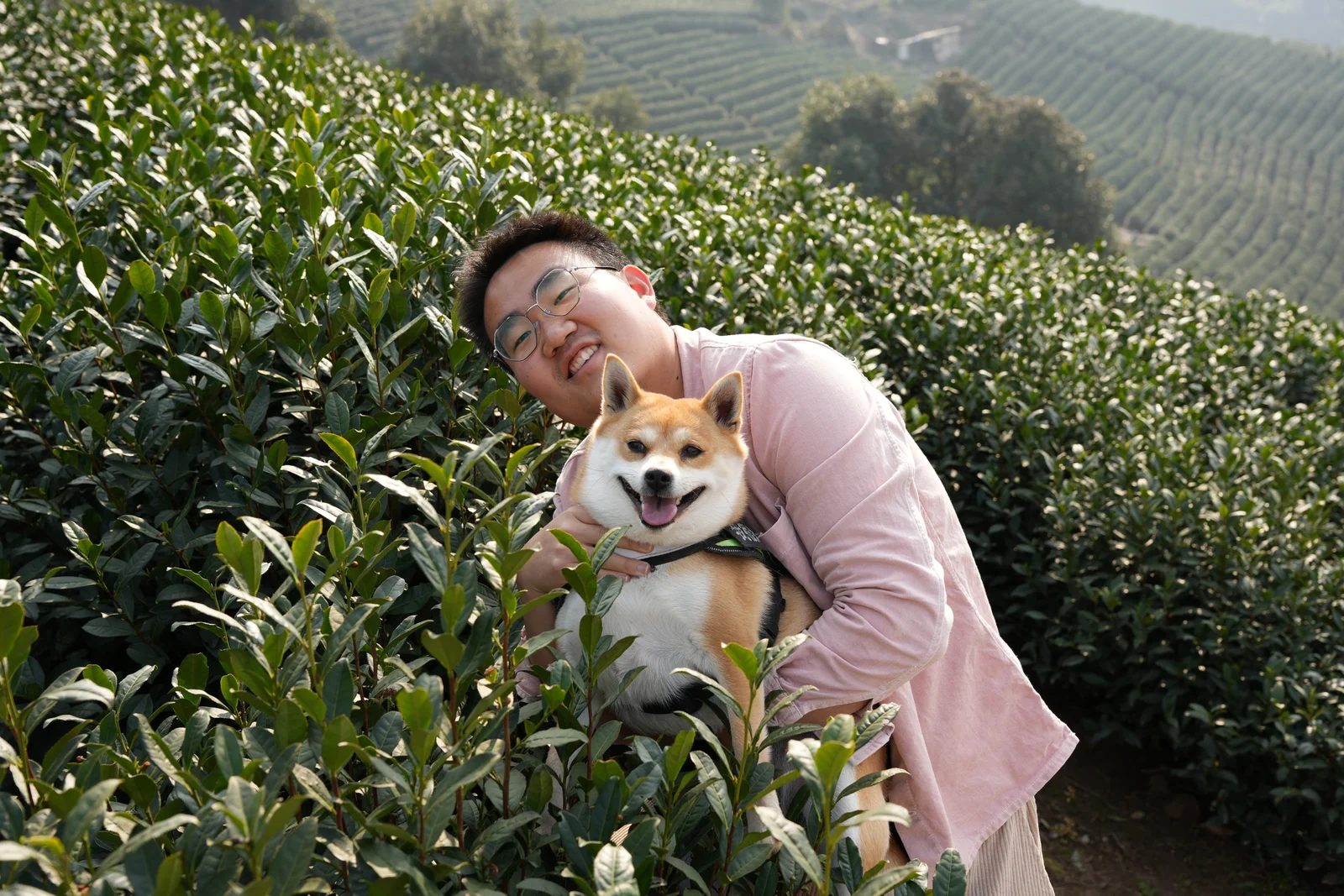
Shuyu with a dog among tea plants
Shuyu balancing beneath an ornate pavilion
Shuyu beside a river and willow branches
Shuyu by the ocean with arms outstretched
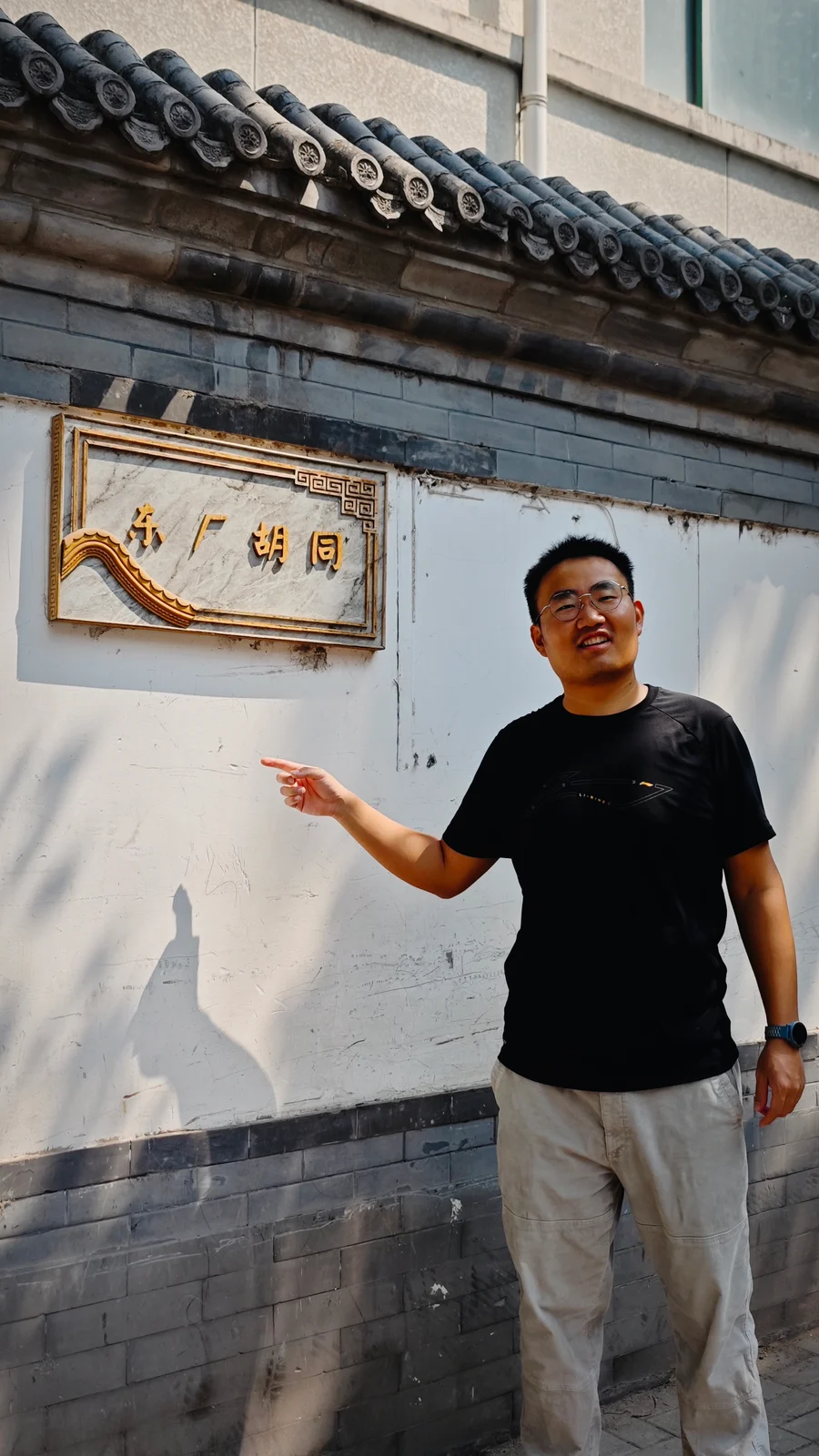
Shuyu beside a hutong wall
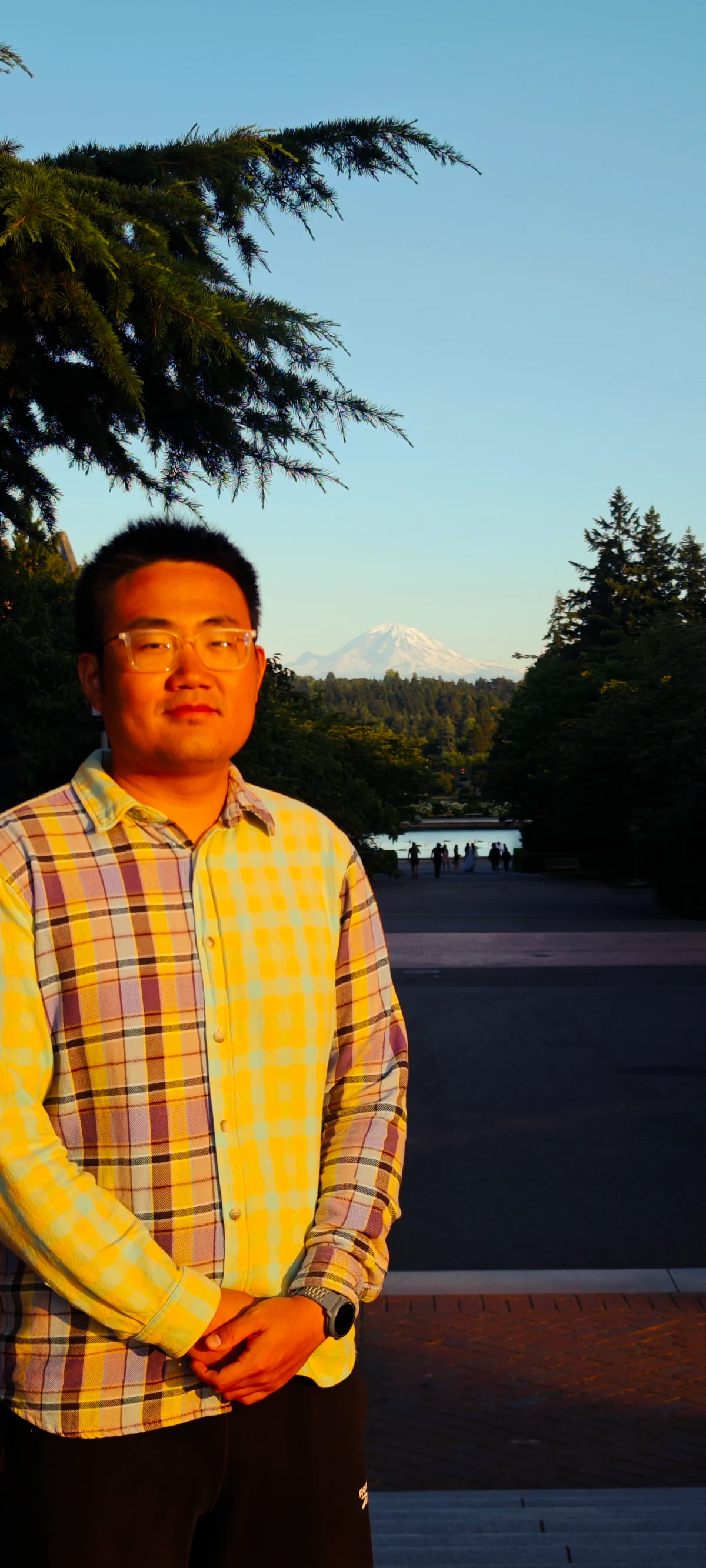
Shuyu in evening light with a mountain in the distance
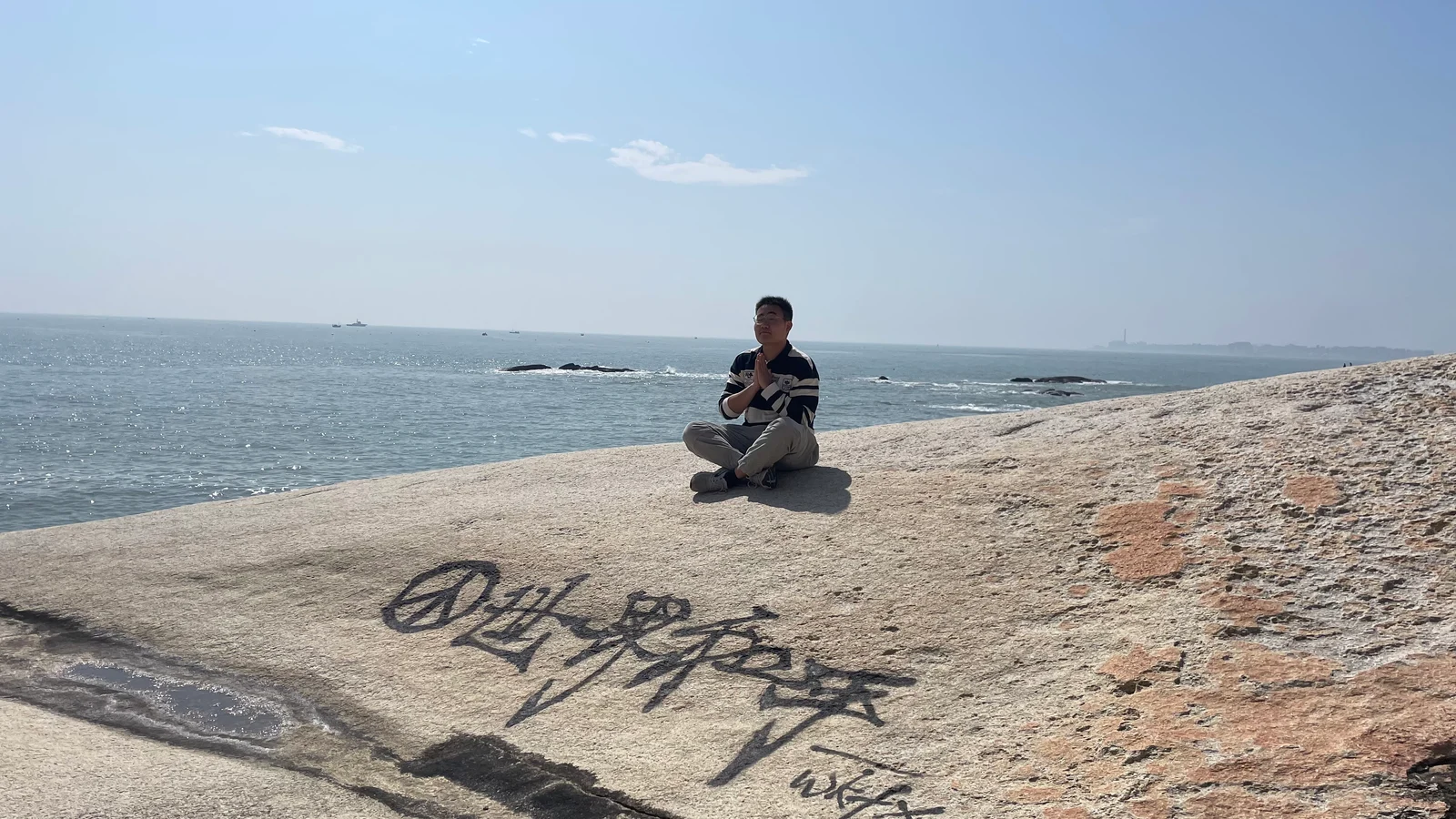
Shuyu seated on a coastal rock
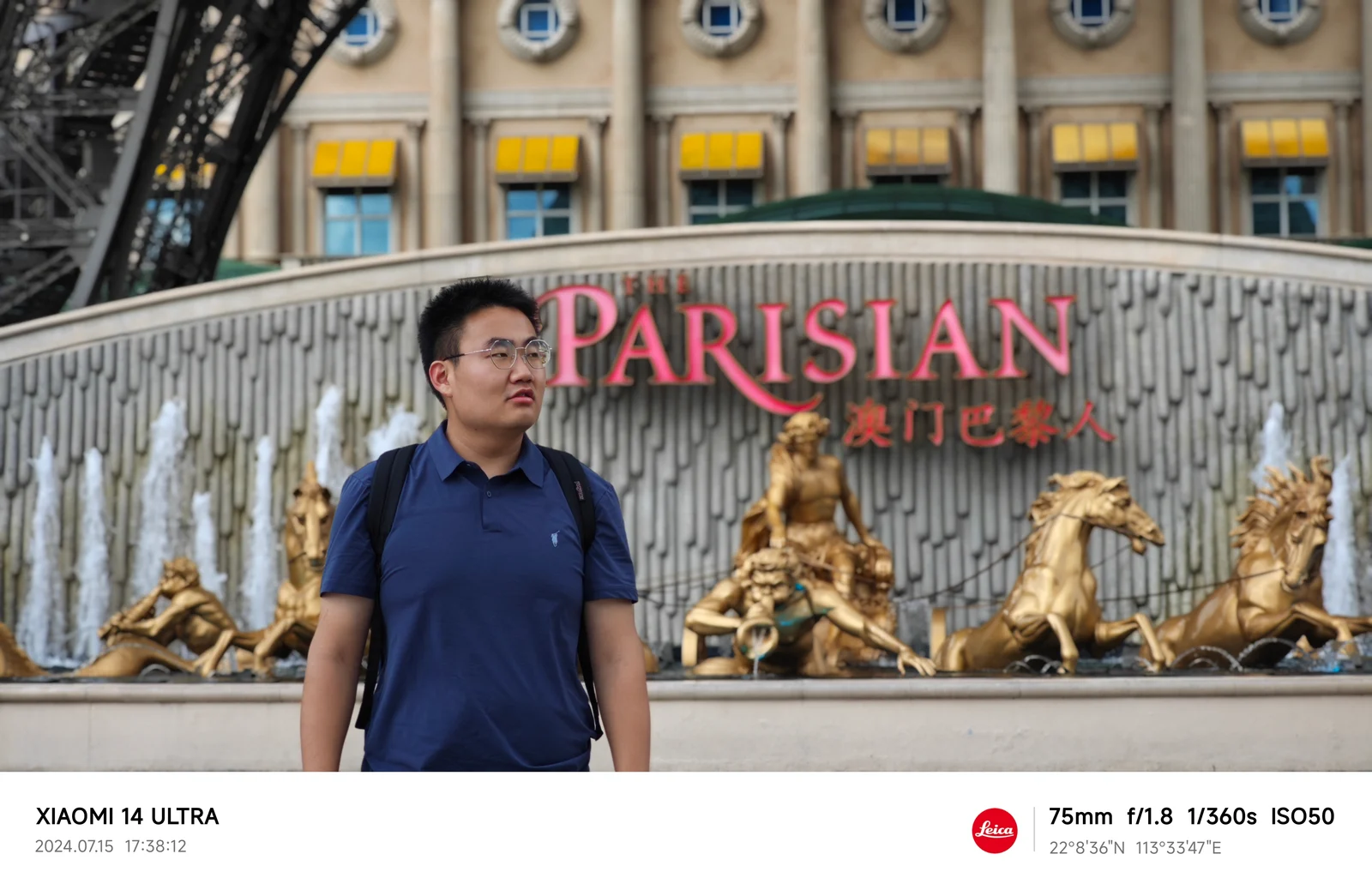
Shuyu standing by a fountain
Shuyu on a riverside walkway
Shuyu in front of an illuminated tower at night

Let's connect

For Summer 2027 internships or research collaborations:
shuyu.lu@uth.tmc.edu →